Collaboration, culture and listening to researchers:
Reflections from UKRN conference 2026
Earlier this month, colleagues from the attended the inaugural hosted by the University of Manchester. Bringing together researchers, professional services staff, funders, policymakers and sector partners, the conference showcased how collaboration across the research ecosystem can help drive improvements in research quality, transparency and culture.
As a team, we came away with a range of ideas and reflections, but several common themes emerged.
Open Research is a collective effort
One of the strongest messages throughout the conference was that meaningful change happens through collaboration. Whether discussions focused on institutional culture, training, infrastructure, or policy, there was a consistent sense that no single group can improve research practices alone, and that we can "do more together, than alone".
The breadth of conference delegates reinforced this message, providing an opportunity to hear different perspectives and consider how each part of the research system contributes to creating a more open and trustworthy research culture.
Recognising different disciplinary perspectives
Several talks challenged delegates to move beyond a one-size-fits-all view of Open Research.
's keynote presentation on the Brief Open Research Survey (BORS) prompted important discussions about how awareness and adoption of Open Research practices vary across disciplines. Differences in approaches to open data, co-production, transparency, and reproducibility are often shaped by disciplinary norms, methodologies, and practical considerations.
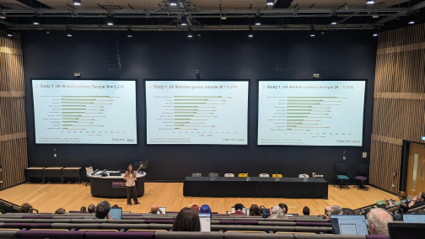
This resonated strongly with us, particularly in relation to engagement with researchers in the Humanities and qualitative disciplines. Rather than assuming all researchers face the same challenges or require the same support, the conference highlighted the importance of understanding local contexts and disciplinary perspectives.
For those working in researcher support roles, this serves as a valuable reminder that effective advocacy begins with understanding the needs, concerns and experiences of the communities we work with. As one delegate noted, an important lesson is "listening, before talking".
Sharing methods, training and resources
A recurring theme was the value of sharing not only research outputs, but also the tools, methods, and training materials that support research.
Examples included openly shared training resources that can be adapted and re-used, helping to reduce duplication of effort and making high-quality materials available to a wider community. This sparked ideas about how we might make our training resources more open, accessible, and reusable.
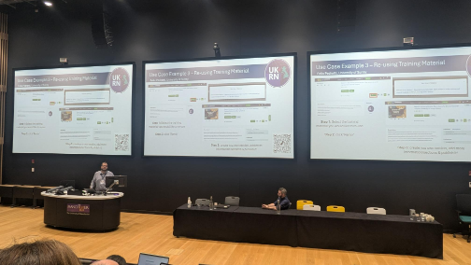
The conference also highlighted the growing importance of sharing research methods, materials, and protocols. As one speaker memorably put it: "Papers are static, protocols are not". This prompted valuable discussions about how shared methods and protocols can increase transparency, improve reproducibility, and create research outputs that have value in their own right.
N8 workshop: Engaging Early Career Researchers with Open Research and reproducibility practices
An example of collaboration in practice was an interactive workshop exploring how to engage postgraduate researchers (PGRs) and early career researchers (ECRs) with Open Research and reproducibility. Co-facilitated by our Open Research Manager Lucy May alongside Tom Morley (Lancaster University) and Steve Boneham (Newcastle University), the session formed part of ongoing work to develop an N8 Open Research Toolkit for researchers at different career stages, including practical 鈥楪etting Started with Open Research鈥� and 鈥楥areer development with Open Research鈥� resources.
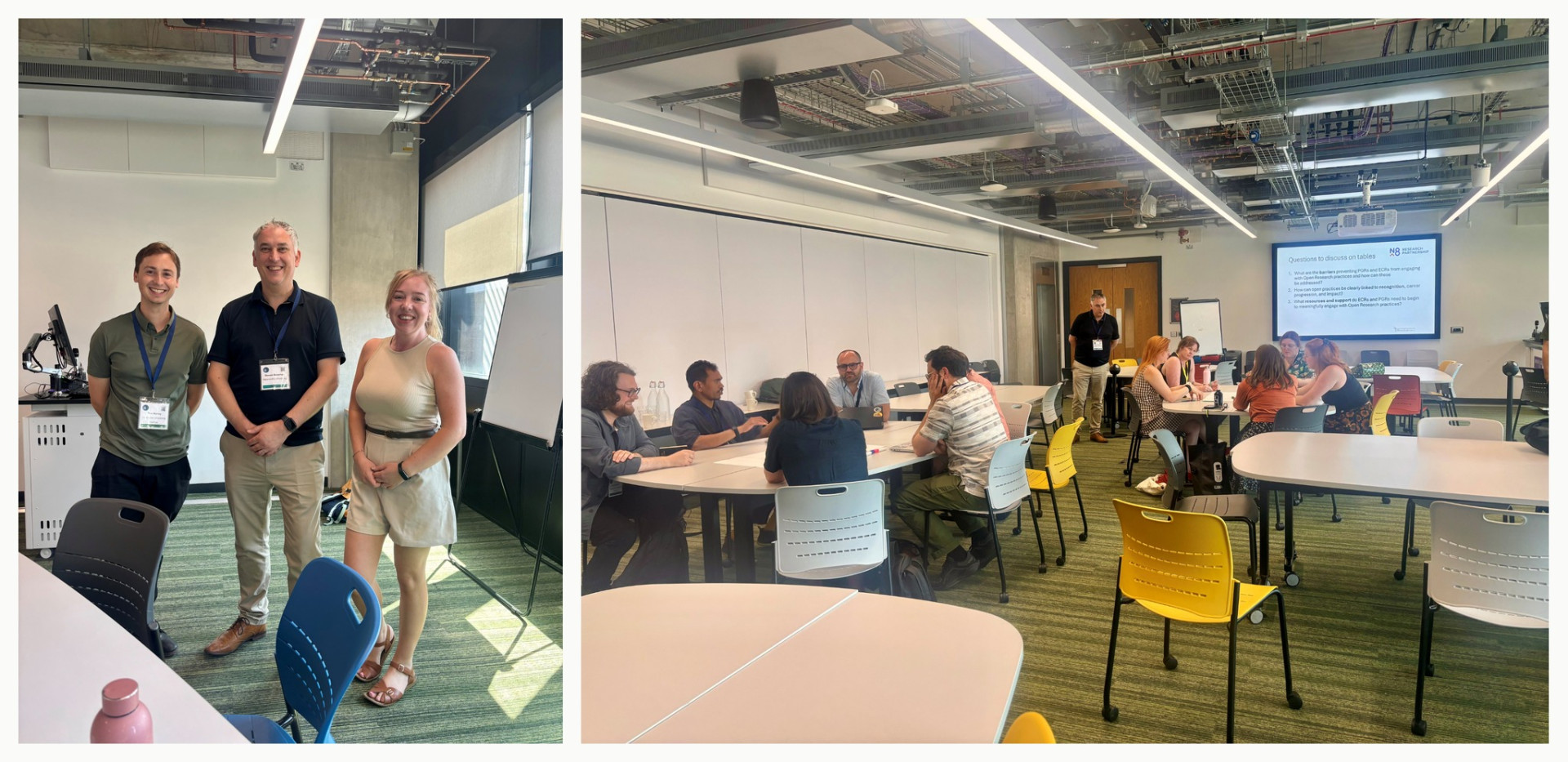
The workshop provided a valuable opportunity to gather sector perspectives on the challenges and opportunities associated with researcher engagement, from effective onboarding and the support needed at different career stages, to the influence of local research cultures. One particularly strong theme that emerged was the important role that supervisors play in introducing and modelling Open Research practices, or, conversely, creating barriers to engagement.
For us, the workshop reinforced the value of listening to researchers' experiences and working collaboratively across institutions to develop practical, community-informed resources that support engagement with Open Research throughout a researcher's career.
Looking ahead
The UKRN Conference demonstrated how much momentum exists across the sector to improve research practice. It also reinforced that progress depends on collaboration, openness to different disciplinary perspectives, and a willingness to listen and learn from one another.
For the Office for Open Research, the conference generated practical ideas around researcher engagement, evaluation, open educational resources, research methods sharing, and evidence-informed advocacy. Most importantly, it reinforced the value of working together, across institutions, disciplines and professional boundaries, to create a more open, transparent, and inclusive research culture.
More information
This piece was co-authored by the following OOR team members:
- Sarah Kneen, Open Research Specialist: Open Research Programme
- Clare Liggins, Open Research Librarian: Research Data Management
- Bill Ayres, Strategic Lead: Research Data Management
- Scott Taylor, Associate Director: Office for Open Research
- Lucy May, Open Research Manager