£3.4m Manchester-led project to tackle growing threat of mosquito-borne epidemics
An interdisciplinary team of Manchester researchers will lead a major international project investigating how urbanisation, changing landscapes and human behaviour are influencing the spread of mosquito-borne diseases including chikungunya, Zika and dengue.
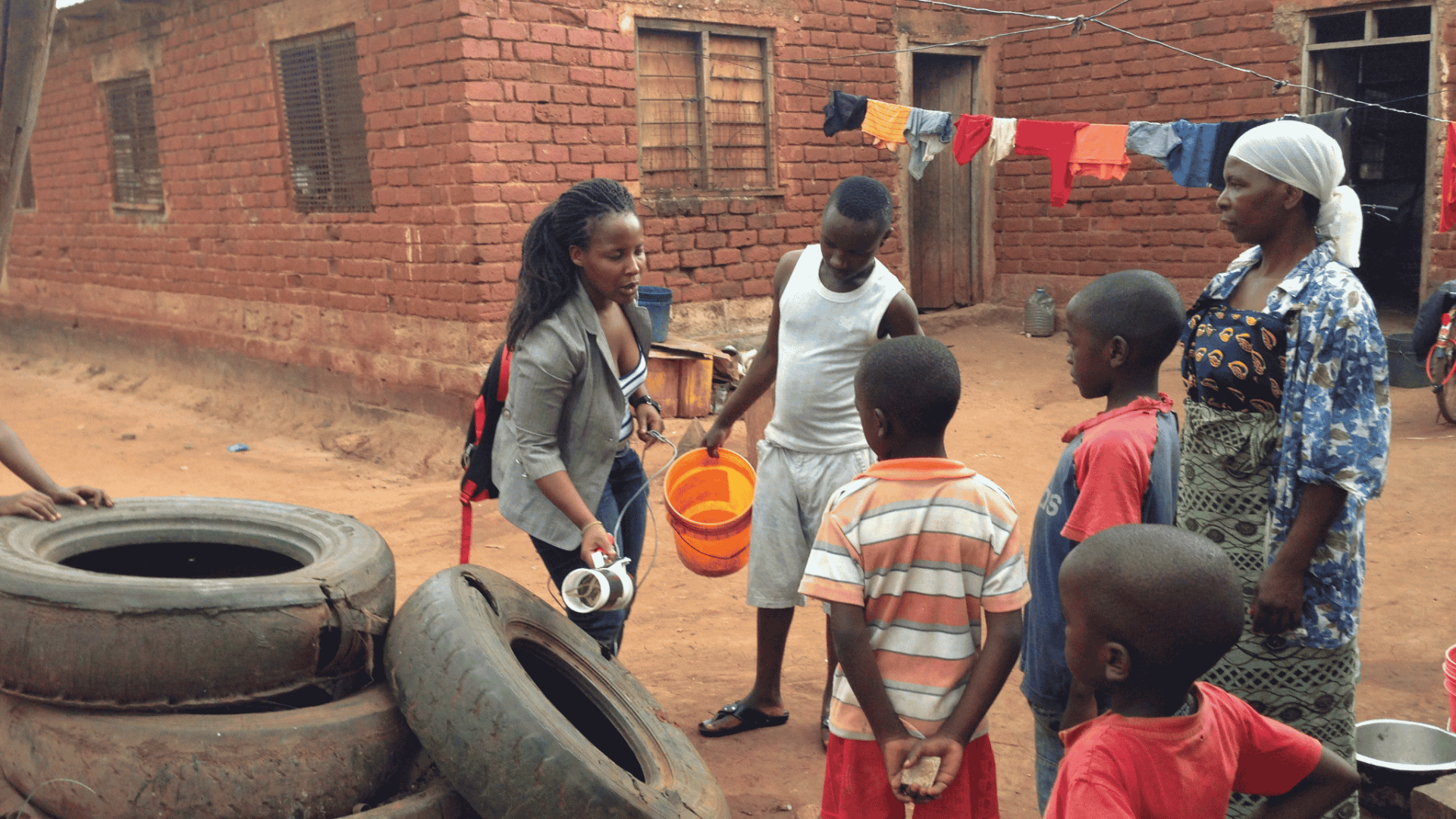
- Manchester researchers will lead a £3.4m international project to tackle the growing threat of mosquito-borne viral epidemics in Eastern Africa.
- Funded by UK Research and Innovation (UKRI) and the UK Government's Foreign, Commonwealth & Development Office (FCDO), ‘TACKLING MBU’ will investigate how changes including urbanisation, transport networks and forest loss are influencing mosquitoes, viruses and mosquito-borne viral disease risk.
- Researchers will combine data on mosquitoes, viruses, people and the environment to help identify potential disease hotspots and improve outbreak prevention.
- The project will assemble an international team with diverse expertise from across the UK, Tanzania, Kenya and Malawi.
Mosquito-borne diseases such as chikungunya, Zika and dengue are becoming increasingly epidemic in Eastern Africa, raising concerns about their potential to cause future outbreaks, both within the region and further afield.
Now, researchers at »¨½·Ö±²¥ will lead an investigation into what is driving that change and how this knowledge could help countries better predict, prevent and control future epidemics.
Understanding the causes of changing disease risk
The £3.4m ‘TACKLING MBU: Tackling the Rise of Mosquito-Borne Viral Epidemics in Eastern Africa’ project will see Manchester assemble researchers from the UK, Tanzania, Kenya and Malawi, combining expertise ranging from mosquito ecology and virology to public health, social science, genetics, mapping and mathematical modelling.
Mosquitoes and the viruses they carry do not exist in isolation.
Growing cities, expanding transport networks and the loss or fragmentation of forests can all change the environments in which mosquitoes, animals and people interact. TACKLING MBU will investigate how those changes are influencing disease transmission.
Rather than studying a virus, mosquito species or outbreak in isolation, we will bring together data on mosquitoes, viruses, people and their environments to understand how these factors interact and influence disease risk.
TACKLING MBU takes its name from the Kiswahili word for mosquito, reflecting the communities at the heart of the project, and its focus on the importance of mosquito-based interventions to reduce disease risk.
Enabling better intervention
The first phase of the project will gather mosquito, virus, environmental and human data from 50 sites across Kenya, Tanzania and Malawi. Mosquitoes will also be collected from other African countries, including Ethiopia, Uganda, Rwanda and the Democratic Republic of the Congo, working with partner institutions there, to track the spread of mosquito genes linked to a preference for feeding on people.
Alongside analysing mosquitoes and viruses, the team will work with local communities to understand people's daily routines, travel, interactions with their environment and knowledge of mosquito-borne diseases.
The team plans to produce national-scale disease-risk maps for Kenya, Tanzania and Malawi, alongside more detailed maps identifying potential “hotspots� where viruses circulating in wildlife could spill over into people.
The aim is ultimately practical: giving public-health bodies better evidence to enable them to better target their surveillance and intervention efforts. The work will be carried out in partnership with the Ministries of Health in Kenya, Tanzania and Malawi, with whom the team will co-produce policy briefs on evidence-based, targeted surveillance and control of these diseases.
Interdisciplinary research into disease prevention
will lead the project, alongside Manchester co-leads , , Tucker Gilman and , and three early career researchers including Cianjoka Gichuyia and Ben Broomfield.
International co-leads include Joseph Kamau at the , Dylo Pemba and Gama Bandawe at , and Gerald Misinzo at in Tanzania.
The project, starting this November, is one of 18 new research and innovation projects funded by the UK Government and UKRI to tackle biosecurity threats.